2026 Top Trends in Artificial Grass For Landscaping Wholesale Price Options?
The landscape industry is witnessing a significant shift towards the use of artificial grass. Trends suggest that homeowners and businesses are increasingly opting for sustainable solutions. According to a recent report by the National Association of Landscape Professionals, artificial grass sales have surged by 25% in the past two years. With this growth, understanding "Artificial Grass For Landscaping Wholesale Price" becomes crucial.
Expert in landscaping solutions, Dr. Emily Chen states, “Investing in artificial grass is not just a cost decision; it's about long-term benefits and sustainability.” Her insights highlight how price options for wholesale artificial grass are becoming competitive, offering great value. However, maintaining quality at lower prices is a challenge that requires careful consideration.
Landowners must also reflect on the durability and aesthetics of artificial grass. There can be trade-offs between upfront costs and long-lasting solutions. While prices may seem appealing, the performance and visual appeal of the turf should not be compromised. An informed choice involves weighing price against quality, ensuring that the selected product meets both economical and aesthetic needs.
Emerging Trends in Artificial Grass for Landscaping in 2026
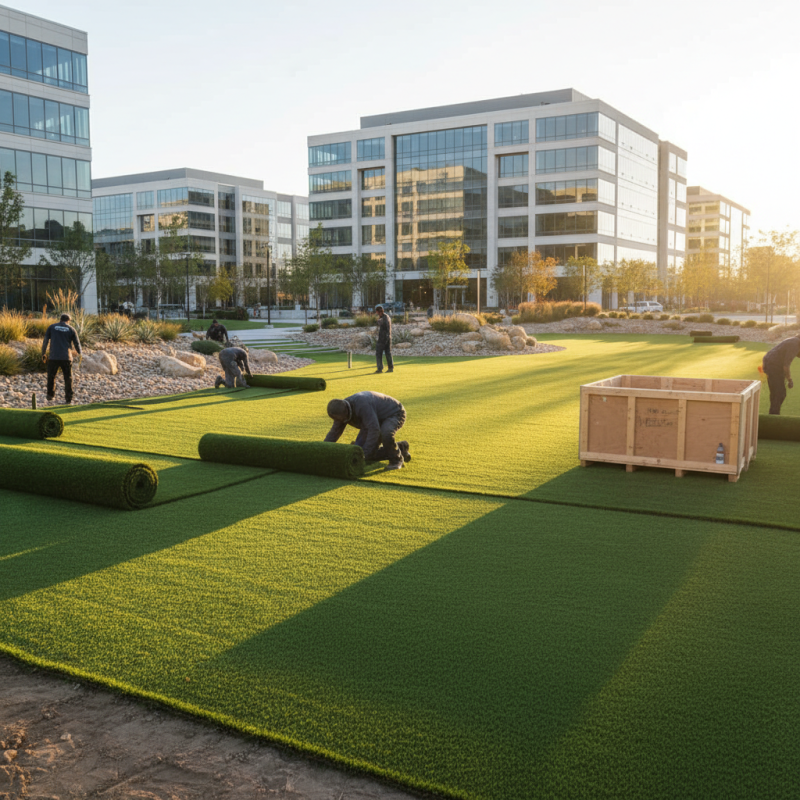
As we look into the future of landscaping, artificial grass continues to gain traction. The year 2026 promises exciting trends that enhance both functionality and aesthetics. One notable shift is the rise of eco-friendly materials. More manufacturers are incorporating recycled plastics into their products. This not only reduces waste but also offers homeowners sustainable options. The texture and appearance have improved significantly, making it hard to distinguish from natural grass.
Another emerging trend is the focus on versatility. Artificial grass is no longer limited to lawns. Think rooftops, decks, and even indoor spaces. The demand for pet-friendly options is also increasing. Homeowners want surfaces that withstand wear and tear while remaining easy to clean. Designers are experimenting with various colors and patterns, providing unique choices that cater to individual tastes.
However, challenges remain. Not all artificial grasses offer the same durability or warranty. Some options may fade over time or require more maintenance than advertised. It’s essential for consumers to research before purchasing. Investigating product certifications and testing results can ensure you make an informed decision. Awareness of these factors will lead to better choices in the long run.
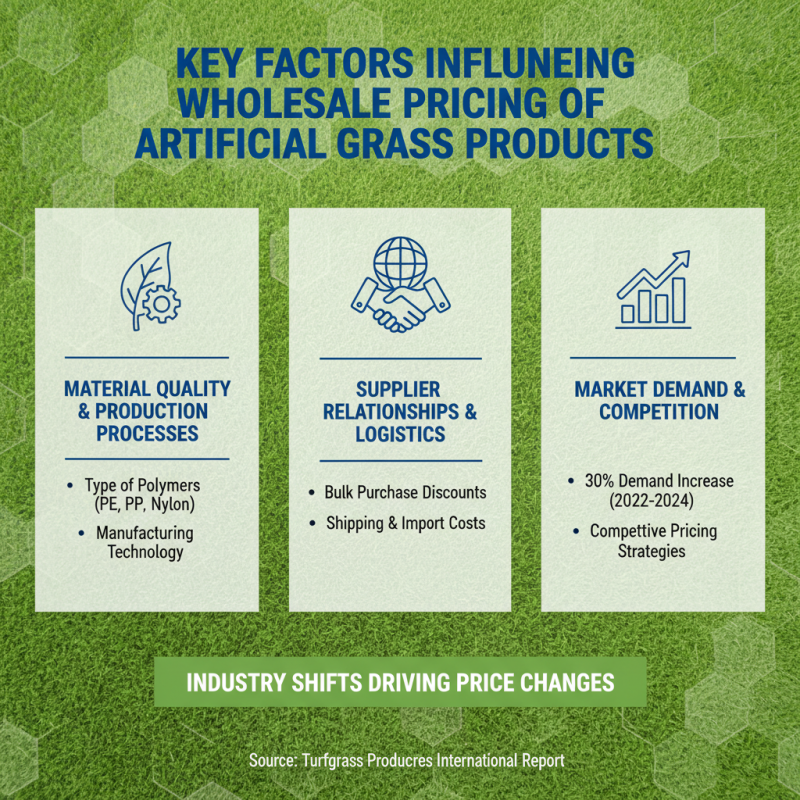
Key Factors Influencing Wholesale Pricing of Artificial Grass Products
The landscaping industry is witnessing shifts in artificial grass products, impacting wholesale pricing significantly. Various factors influence the cost, including material quality, production processes, and supplier relationships. According to a recent report by the Turfgrass Producers International, the demand for high-quality artificial grass has surged by 30% over the past two years. This rise creates competitive pricing dynamics, affecting wholesaler strategies.
Supply chain logistics play a critical role in pricing. Transportation costs and import tariffs can drastically change retail prices. In addition, fluctuations in raw material prices have become more pronounced. For instance, polyurethane prices have increased by approximately 15% this year due to global market pressures. Wholesalers must adapt quickly to these changes, ensuring their pricing remains attractive to landscapers and contractors.
Tip: Always research various suppliers to understand price fluctuations better. It’s wise to maintain flexibility in sourcing to alleviate the effects of sudden price hikes. Another tip is to consider bulk purchasing as it often leads to discounts and better pricing options. Yet, be cautious; holding large inventories could also mean higher risks if market demands shift unexpectedly.
Sustainability and Environmental Impact of Artificial Grass Options
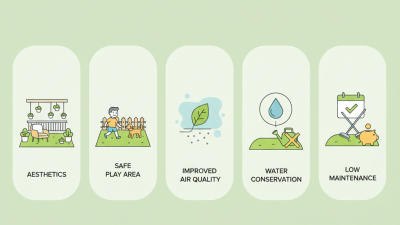
The rise of artificial grass in landscaping brings significant discussions about sustainability. Traditional lawns require extensive water usage and chemical fertilizers. In contrast, synthetic grass offers a water-efficient alternative. It reduces the need for harmful chemicals, promoting a healthier environment. The artificial materials used are often recyclable, which helps mitigate waste issues.
However, there are concerns about the environmental impact of manufacturing and disposing of artificial grass. Many of these products are made from petroleum-based materials. This raises questions about their long-term sustainability. The energy consumed during production can contribute to carbon emissions. It’s essential to consider these factors when choosing artificial turf.
Some homeowners appreciate the low maintenance of synthetic grass. It eliminates mowing and watering, saving time and resources. But, the initial cost can be high, which leads to reflection on value. Can we truly justify the expense if the environmental cost is too high? Balancing beauty and sustainability remains a challenging but necessary journey in landscaping choices.
2026 Top Trends in Artificial Grass For Landscaping Wholesale Price Options
| Trend |
Description |
Wholesale Price Option (per square foot) |
Sustainability Rating (1-5) |
Environmental Impact |
| Recycled Materials |
Using recycled plastics to create artificial grass, reducing waste. |
$2.50 |
5 |
Positive impact, helps reduce landfill waste. |
| Low Maintenance |
Artificial grass options that require minimal upkeep and watering. |
$3.00 |
4 |
Less water usage leads to lower environmental strain. |
| Smart Technology Integration |
Incorporating sensors for upkeep and health monitoring of grass. |
$4.00 |
3 |
Can help optimize maintenance practices and water usage. |
| Natural Look and Feel |
Advancements in aesthetics to mimic real grass closely. |
$3.50 |
4 |
Encourages installation in eco-conscious areas. |
| UV Resistance |
Grass that withstands sun exposure without fading. |
$3.20 |
5 |
Longer lifespan, reducing material turnover. |
Innovative Technologies Shaping the Future of Artificial Grass
Artificial grass technology is evolving rapidly. Innovations are transforming the way we think about landscaping. One of the most significant advancements includes improved materials that mimic natural grass more closely. These materials are now more resilient and environmentally friendly. They reflect UV rays better and resist fading over time.
Another exciting trend is the integration of smart technologies. Some modern artificial turf is designed to manage heat and drainage more effectively. These systems utilize advanced infill materials that cool the surface. They are even designed to provide better water management. However, these technologies can sometimes become overly complex.
Many consumers may find it challenging to know which option is best for their needs. As the market grows, understanding the options becomes crucial. Prices can vary based on features and technologies. Some turf may be inexpensive but lack durability. While others may promise longevity yet come at a higher cost. This complexity requires careful consideration. Proper guidance can enhance informed decisions in purchasing artificial grass.
Market Growth Projections for Artificial Grass in Landscaping by 2026
The market for artificial grass in landscaping is experiencing substantial growth. By 2026, industry projections suggest a notable increase in demand. Factors contributing to this growth include urbanization, environmental concerns, and advances in technology. Homeowners and businesses are investing in
sustainable landscaping solutions. This shift is prompting more options in wholesale pricing.
As consumers seek alternatives to natural grass, artificial options are becoming more appealing. The durability and low maintenance of synthetic turf make it a practical choice. People value aesthetic appeal, especially in urban areas. This desire for beautiful, green spaces is driving the market forward. However, not all artificial grass products are equal. Buyers need to be cautious and informed.
The projected growth brings both opportunities and challenges. While demand rises, manufacturers must focus on quality and sustainability. Pricing strategies need to be competitive but also reflective of the product's value. As the landscape for artificial grass evolves, continuous innovation will be essential. Keeping pace with trends can be daunting for suppliers, yet it is crucial for long-term success.