How to Choose the Best Artificial Grass Turf Lawn for Your Home?
Choosing the right Artificial Grass Turf Lawn for your home can be a daunting task. With so many options available, how do you ensure you make the best choice? The quality of your turf can dramatically affect your outdoor space's aesthetics and functionality. Many factors influence this decision, including texture, durability, and maintenance requirements.
Artificial Grass Turf Lawns are designed to mimic the look and feel of natural grass. However, not all options are created equal. Some products can look amazing but don't hold up well over time. Others may be cost-effective but feel rough and unnatural underfoot. You want a lawn that complements your home and meets your lifestyle needs.
While browsing, consider your local climate and the intended use of your lawn. Is it for play, relaxation, or simply for visual appeal? These details are crucial for choosing the right product. You might reconsider your priorities as you reflect on your options. Prioritize quality over price. After all, a well-chosen Artificial Grass Turf Lawn can enhance your home for years to come.
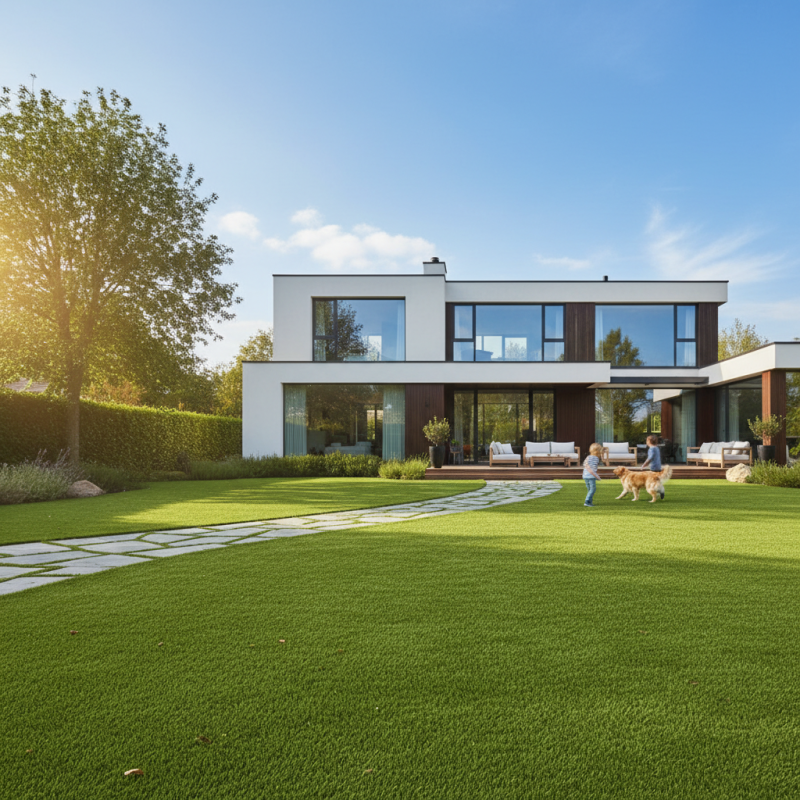
Understanding the Basics of Artificial Grass Turf for Lawns
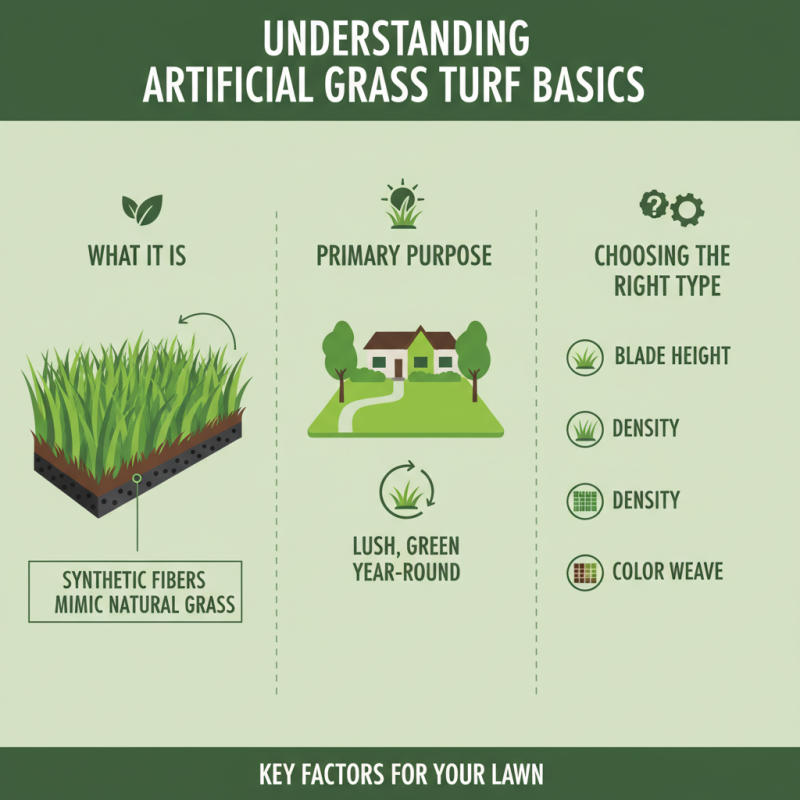
When considering artificial grass turf for your lawn, it’s vital to understand its fundamentals. Artificial grass is made from synthetic fibers mimicking natural grass. Its primary purpose is to provide a lush, green appearance year-round. Choosing the right type can be overwhelming due to various options available today. Factors like blade height, density, and color weave into your decision.
Installation quality impacts the longevity of your turf. Poorly installed grass can lead to uneven surfaces and a lack of drainage. It’s essential to assess your yard's specific requirements. Different areas may need diverse sizes or shapes of turf. Always consider how much sunlight your lawn receives. This will influence your grass choice and upkeep.
Maintenance is another aspect to reflect upon. Artificial grass requires less care than natural grass but isn't maintenance-free. Regular cleaning and occasional brushing keep it looking fresh. Moreover, examine warranty details, as they can reveal the turf’s durability and expected lifespan. Balancing aesthetics with practical needs is crucial in making a well-informed decision.
Evaluating Different Types of Artificial Grass Materials Available
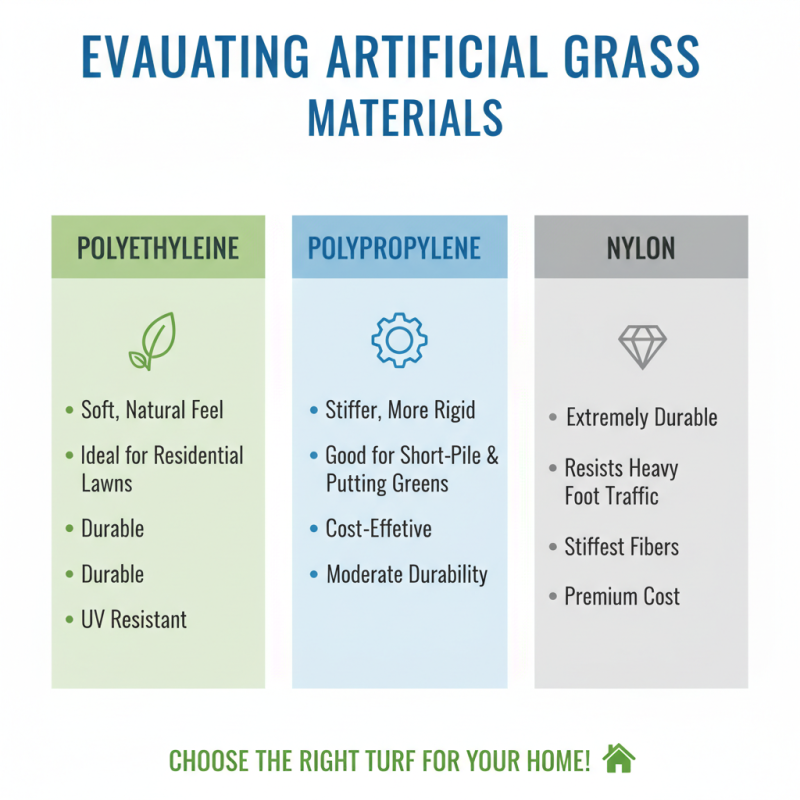
When considering artificial grass for your home, it’s crucial to evaluate the different types of materials available. Synthetic turf typically consists of polyethylene, polypropylene, and nylon. Each material has distinct qualities that can influence your decision. Polyethylene offers a soft, natural feel and is ideal for residential lawns. It’s durable and UV resistant, making it a popular choice among homeowners.
In contrast, polypropylene is an economical option but is less durable. It may fade more quickly and is better suited for temporary installations or areas with minimal foot traffic. Nylon, while the strongest option, can be quite expensive. It can withstand heavy use and is resilient against wear and tear. However, its stiffness may not provide the comfortable feel that some homeowners desire.
Choosing the right material hinges on your specific needs. Are you prioritizing budget, durability, or aesthetics? Take the time to weigh your options carefully. Each type of grass has its pros and cons. Reflecting on your lifestyle and the intended use of the lawn can guide you to the best choice.
Key Factors to Consider When Choosing Artificial Grass Lawn
When choosing artificial grass for your home, several key factors come into play. One must consider the pile height, which influences the look and feel of the lawn. Shorter blades create a neater appearance, while longer blades may provide a more natural feel. Remember that not all heights suit every yard. For instance, a flat area may benefit from taller grass, while sloped regions might do better with shorter options.
The material used in artificial grass affects durability and maintenance. Look for UV-resistant grass to prevent fading. Some products are constructed from polyethylene or polypropylene. Each has its unique pros and cons. Polyethylene offers a softer touch but may wear out faster. Polypropylene, while more durable, can feel stiffer. Additionally, consider the grass's drainage capabilities. A lawn that retains water will lead to problems like mold and odors.
Budget is another crucial element. Higher-quality turf can be pricier, but it often requires fewer repairs over time. Weighing initial costs against long-term maintenance is essential. Visit several local suppliers to get a feel for different options. It’s easy to get overwhelmed by choices, so take your time. Reflecting on these factors will guide you toward a suitable selection for your outdoor needs.
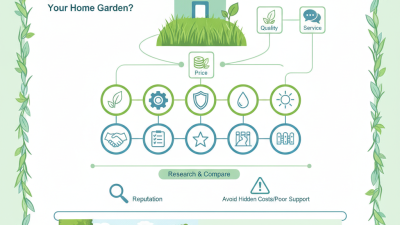
Comparison of Key Factors in Choosing Artificial Grass Turf Lawn
Assessing Maintenance Requirements for Artificial Turf Options
When selecting artificial grass for your home, understanding maintenance requirements is crucial. Some types of turf demand more care than others. According to the Synthetic Turf Council, nearly 30% of homeowners are unaware of the maintenance needed for their artificial lawns. This oversight can lead to dissatisfaction and increased costs.
Low-maintenance turf options exist, often requiring little more than occasional rinsing and brushing. For example, choices with high UV resistance reduce fading and wear. Conversely, cheaper alternatives may require frequent infill replenishment and detailed cleaning, adding to long-term expenses. A 2021 report indicated that homeowners spend approximately 10% more on maintenance for lower-quality turf over five years.
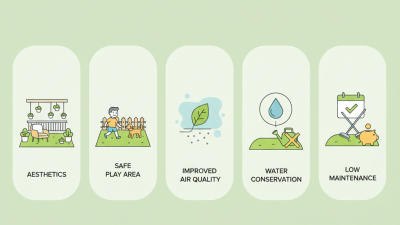
While artificial grass can reduce water usage by up to 90%, neglecting proper care can lead to issues. Bacteria and debris can accumulate if not regularly addressed. Many products tout easy upkeep, yet true longevity involves consistent effort. Therefore, evaluating the maintenance demands of each turf option is vital for a lasting, satisfying lawn.
Cost Analysis: Budgeting for Your Artificial Grass Lawn Installation
When budgeting for artificial grass lawn installation, it’s essential to consider various factors. According to the Synthetic Turf Council, the average cost of artificial grass can range from $5 to $20 per square foot. This wide range depends on quality, type of grass, and installation requirements. Homeowners must calculate their total area to determine the baseline cost. For instance, a 500-square-foot lawn may cost anywhere from $2,500 to $10,000.
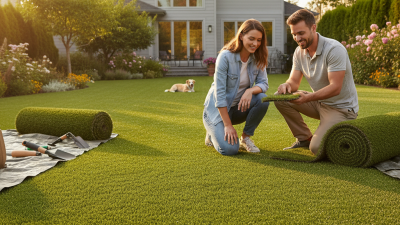
Installation costs also add to the overall budget. Professionals may charge between $4 and $12 per square foot for installation services. This can lead to significant expenses. DIY installation could save money, but it requires skill and labor. Additionally, the lifetime of artificial turf is around 15-25 years, making it a long-term investment. However, maintenance and repairs can arise over time, which should be factored into the budget.
Homeowners must also reflect on hidden costs. Site preparation, such as removing existing grass or debris, can increase expenses. Moisture barriers and infill material may also be necessary. It’s vital to allocate funds for unexpected issues during the installation process. Balancing initial costs with potential long-term savings is crucial for making informed decisions about artificial grass.