What is the Role of Artificial Palm Trees Manufacturers in Modern Landscaping?
In recent years, the landscaping industry has seen a significant shift towards incorporating artificial plants, particularly artificial palm trees. This change is driven by the growing demand for sustainable and low-maintenance landscaping solutions. According to a report by Grand View Research, the global artificial plant market is expected to reach USD 1.36 billion by 2025. The contribution of artificial palm trees manufacturers is critical to this growth.
Artificial palm trees provide year-round beauty without the upkeep associated with real plants. This feature appeals to property owners looking for aesthetic options in urban environments. With advancements in materials and design, these manufacturers now create lifelike replicas that withstand various climates. However, the reliance on these manufactured trees raises questions about their long-term impact on local ecosystems and the authenticity of natural landscapes.
Choosing to use artificial palm trees may simplify maintenance, but it also sparks conversations about authenticity in landscaping. Cities and businesses must balance functionality with visual appeal. As artificial palm trees manufacturers develop more realistic products, it is essential to consider the implications of replacing natural flora. This evolving industry offers a glimpse into future landscaping trends, suggesting a merging of ecological responsibility and aesthetic preference.
The Emergence of Artificial Palm Trees in Landscaping Design
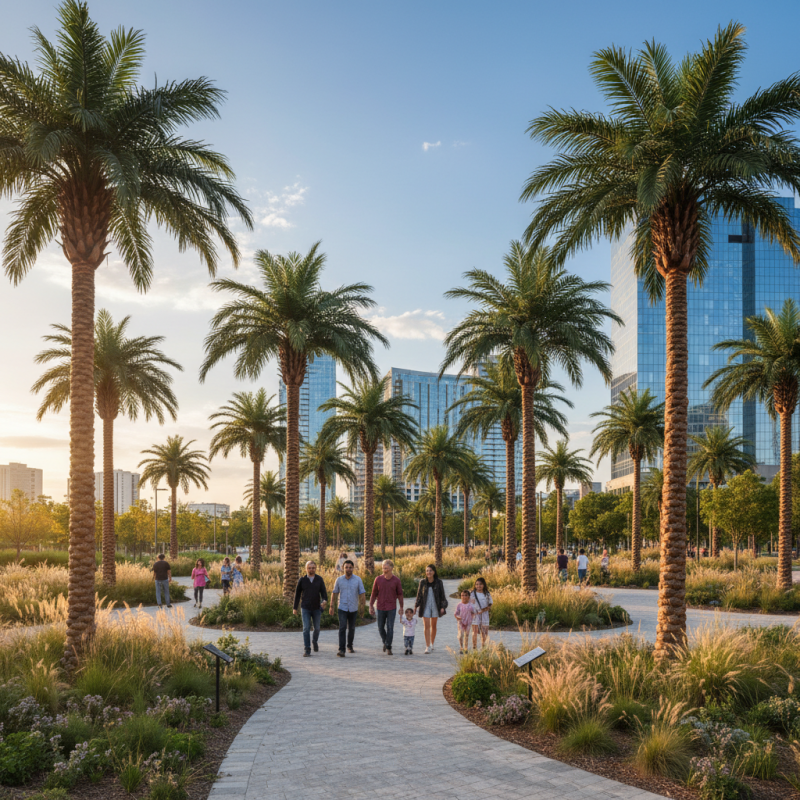
The landscape design industry has seen a significant rise in the use of
artificial palm trees. These stunning replicas enable designers to create
tropical aesthetics in various settings, from urban plazas to private gardens.
Unlike natural palms, these artificial trees require minimal maintenance. They
do not need water or sunlight, allowing for versatility in placement. This makes
them a popular choice in areas with harsh climates.
Artificial palm trees appeal to professionals and homeowners. They offer a
vibrant, vacation-like atmosphere without the drawbacks of real palms. However,
there are challenges to consider. Some may find the synthetic materials less
authentic. The initial investment may also deter some landscape designers.
Balancing aesthetics with practicality
is crucial in modern landscaping.
Moreover, environmental concerns surrounding
synthetic materials raise questions.
While these trees do not require water, their production impacts the environment.
As technology evolves, the sustainability of artificial trees becomes vital.
Designers should weigh aesthetics against ecological footprints. This ongoing
dialogue shapes the future of landscape design.
Understanding the Aesthetic Appeal of Artificial Palm Trees
Artificial palm trees have become a popular choice in modern landscaping due to their aesthetic appeal and versatility. These trees mimic the natural beauty of real palms, offering a tropical vibe without the maintenance. They enhance outdoor spaces, providing a picturesque environment year-round. According to a report by the Landscaping Industry Association, nearly 45% of homeowners prefer low-maintenance options that include synthetic flora.
The visual impact of artificial palm trees is significant. They can be used in both residential and commercial spaces to create inviting atmospheres. For example, hotels often employ these trees near pools and lounges. This strategy not only beautifies the area but also improves guest experience. However, some critics argue that reliance on artificial materials could detract from authentic landscapes.
Tip: When choosing artificial palm trees, consider height and style to match your space. Mixing different varieties can add depth to your design. Additionally, make sure to select UV-resistant options to preserve color vibrancy under sunlight. Balancing natural elements with artificial ones may lead to a more pleasing aesthetic effect.
Role of Artificial Palm Trees in Modern Landscaping
The Environmental Benefits of Using Artificial Palm Trees
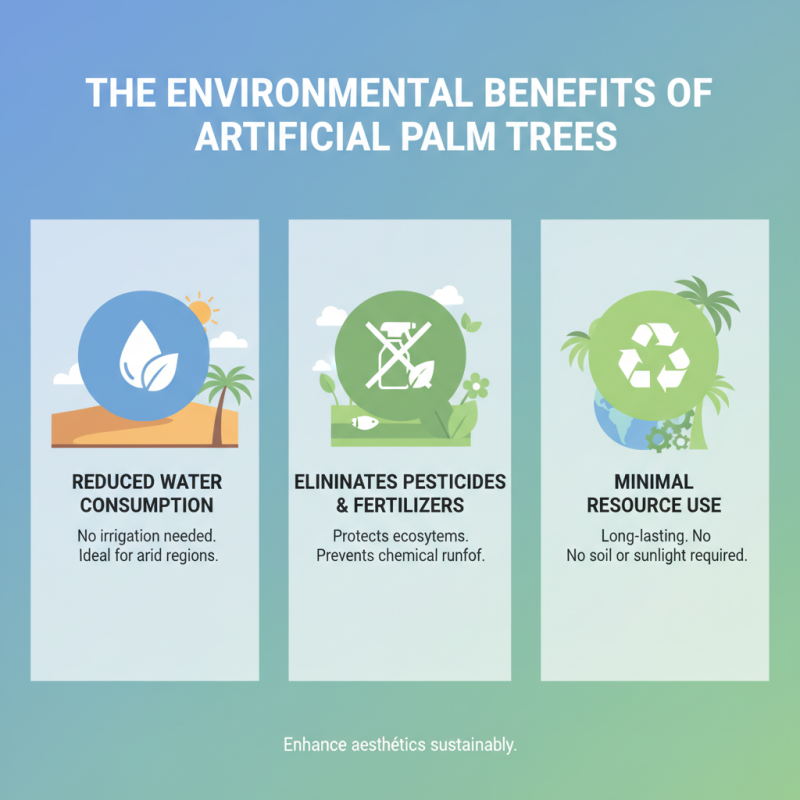
Artificial palm trees have gained popularity in modern landscaping due to their numerous environmental benefits. Unlike real trees, they do not require water, pesticides, or fertilizers. This leads to reduced resource consumption. Areas facing water scarcity can especially benefit from these installations. In dry climates, artificial palms can enhance aesthetics without adding to the ecological strain.
Moreover, these synthetic trees can be made from recyclable materials. This aids in minimizing plastic waste in the environment. Many manufacturers focus on creating eco-friendly products, contributing positively to sustainability. The energy used in production is often optimized to limit carbon footprints, aligning with environmental regulations and standards.
Despite these advantages, some still debate the effectiveness of artificial palm trees. Critics argue that they lack the biodiversity support that real trees offer. While they enhance visual appeal, they do not provide habitats for wildlife. It raises questions about the long-term ecological impact. Balancing aesthetics with environmental responsibilities should always be a priority.
Manufacturing Processes Behind Artificial Palm Trees
In modern landscaping, artificial palm trees serve a unique role, blending aesthetics with practicality. The manufacturing processes of these creations play a significant part in their appeal. Most artificial palm trees are crafted from high-quality materials such as UV-resistant plastics and durable fabrics. These materials mimic the natural appearance of real palm trees, providing an effective solution for outdoor designs where real trees may struggle to thrive.
Artisans focus on detail during the production process. They sculpt each leaf and trunk to reflect the diversity of genuine palm species. This attention to detail elevates the visual authenticity of the final product. However, some manufacturers cut corners to save costs, which can lead to inferior quality. This situation creates a dilemma for buyers looking for realism and durability. Choosing a manufacturer with a solid reputation becomes crucial in navigating these options.
Quality control is another vital aspect. Manufacturers must ensure that the colors and textures withstand the elements. Yet, not all enforce strict standards, leading to varying degrees of reliability. In this evolving industry, continuous innovation and feedback from landscape designers help push for improved methods and materials. This ongoing dialogue remains essential for the growth of artificial palm trees in modern landscaping.
What is the Role of Artificial Palm Trees Manufacturers in Modern Landscaping? - Manufacturing Processes Behind Artificial Palm Trees
| Aspect |
Details |
Benefits |
| Materials Used |
High-density polyethylene (HDPE), UV-resistant coatings |
Durability, long-lasting appearance irrespective of weather |
| Manufacturing Process |
Molding, painting, assembly of trunk and leaves |
Efficiency in production, consistent quality |
| Customizability |
Options for size, color, and type of palm |
Enhanced aesthetic appeal, tailored to client needs |
| Environmental Impact |
Sustainable practices in sourcing materials |
Reduced carbon footprint |
| Market Trends |
Increased demand for low-maintenance landscaping solutions |
Value addition in commercial and residential spaces |
Trends and Innovations in Artificial Palm Tree Production
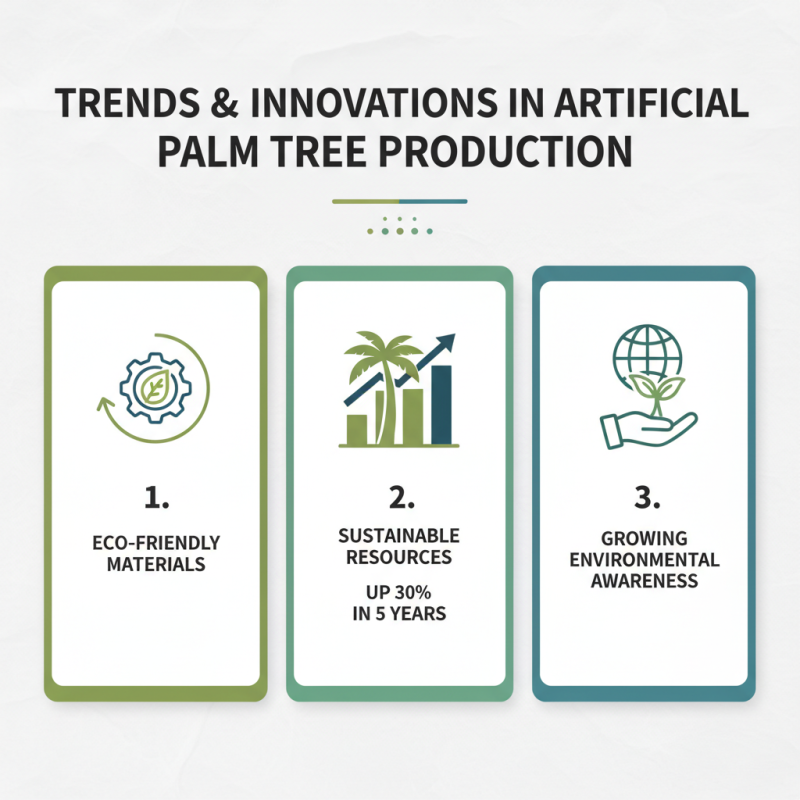
In recent years, artificial palm tree production has seen significant trends and innovations. Manufacturers are now focusing on eco-friendly materials. Reports indicate that the use of sustainable resources in landscaping is rising, with a 30% increase over the last five years. This shift reflects growing environmental consciousness among consumers and businesses alike.
Technological advancements also play a crucial role in this industry. The introduction of high-quality UV-resistant materials ensures longevity and durability. A recent study highlighted that 65% of consumers prefer artificial landscaping elements that withstand harsh weather. These innovations enhance aesthetic appeal while reducing the need for maintenance, making artificial palms more attractive to landscape architects.
However, challenges persist. While the demand for artificial palm trees grows, issues related to authenticity remain. Many landscaping professionals struggle to find options that convincingly imitate natural palms. A survey reported that 55% of designers express concerns regarding the realism of current models. Continuous improvements are necessary to bridge this gap and meet evolving consumer expectations in the landscaping market.