How to Choose Wholesale Vertical Green Wall Panels for Your Space?
The growing trend of vertical gardens has changed how we perceive urban spaces. In recent years, the market for Wholesale Vertical Green Wall Panels has expanded significantly. According to a report by Grand View Research, the global vertical gardening market is expected to reach USD 2.5 billion by 2025. This growth reflects a rising awareness of sustainability and biophilic design.
Choosing the right Wholesale Vertical Green Wall Panels for your environment can be challenging. Factors such as plant selection, panel material, and wall placement play significant roles. Many buyers overlook the importance of these aspects, leading to less than optimal installations. Research indicates that well-designed green walls can improve air quality by over 30%. Hence, understanding these choices is critical.
Investing in Wholesale Vertical Green Wall Panels not only enhances aesthetic appeal but also fosters environmental benefits. Yet, the nuances involved can often be neglected. It's essential to weigh the options carefully, considering both personal taste and the functional impact on your space.
Understanding the Basics of Vertical Green Wall Panels in Wholesale
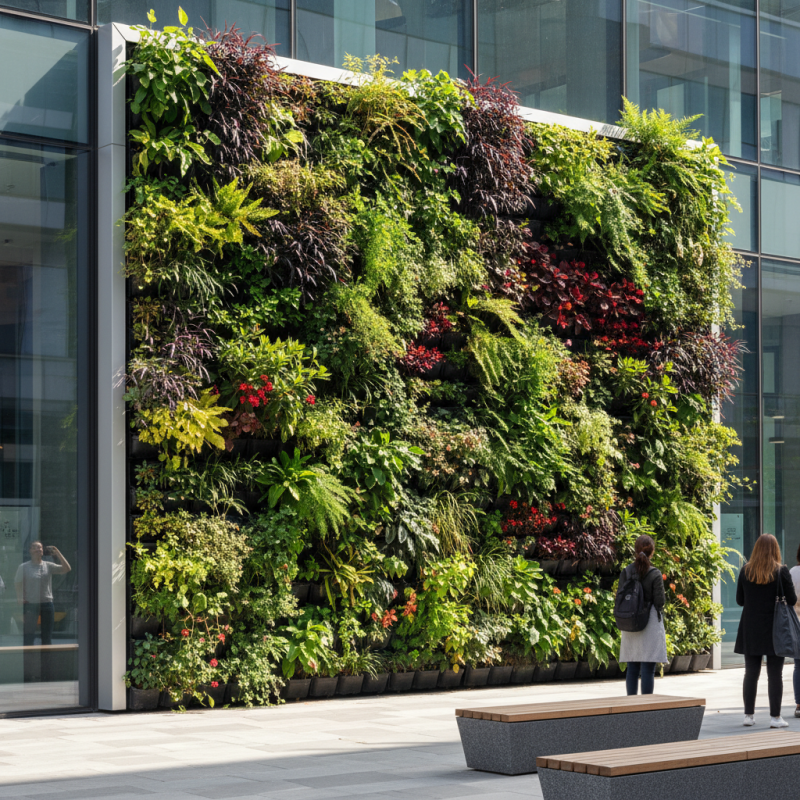
Vertical green wall panels are becoming increasingly popular in various settings. These panels enhance aesthetics and improve indoor air quality. Reports show that plants can reduce indoor pollutants by up to 60%. This makes vertical gardens essential for urban spaces where greenery is limited.
When selecting wholesale panels, consider the installation requirements. Some systems are complex, while others are easy to install. Simplicity can save time and costs. Additionally, assess the plant selection. Succulents are low-maintenance but provide less visual variety. Ferns and flowering plants often require more care. Balance beauty and ease of maintenance based on your needs.
Pay attention to water management. Some panels have built-in irrigation. Others may require manual watering, which can be a hassle. The right choice depends on your commitment level and budget. Researching different materials is crucial as well. Some panels are made from recycled materials, supporting sustainability. Understanding these elements helps in making informed decisions for your space.
Assessing the Space Requirements for Vertical Green Wall Installation
When considering vertical green wall panels, assessing space requirements is crucial. The available area will dictate the panel size, installation method, and plant choices. Measure the height and width of the wall. Understand the location’s lighting conditions. This can impact plant health and the overall design.
Tips: Before installation, visualize the arrangement. Use a scale model or digital software. This helps in understanding the layout and plant density. Consider airflow, as stagnant air can harm plants. Ensure the wall receives adequate sunlight or artificial light.
Don’t overlook weight distribution. Green wall panels can become heavy when moistened. Assess your wall’s structural integrity to avoid damage. Reflect on maintenance; easier access to panels simplifies caring for plants. A thoughtful approach ensures that your vertical garden thrives in its environment.
Evaluating Material Options for Wholesale Green Wall Panels
When selecting wholesale green wall panels, material evaluation is crucial. Various options exist, such as plastic, wood, and metal materials. Each option presents unique benefits and challenges. Plastic panels often resist moisture and require minimal maintenance. However, they may not provide the same aesthetic appeal as natural materials.
Wood, revered for its natural beauty, often offers warmth and character. Yet, it can be susceptible to rot and insects if not treated correctly. According to a recent industry report, about 30% of designers prefer wood for its timeless charm. Metal panels, on the other hand, deliver durability and a modern look. Their resistance to environmental factors is a key advantage. Still, they might retain heat and require careful consideration in warm climates.
Lastly, sustainable options are gaining traction. Eco-friendly materials resonate with environmentally conscious consumers. They can sometimes cost more upfront but offer long-term benefits. In fact, 60% of businesses now prioritize sustainability in their material choices, indicating a shift toward greener practices. Balancing aesthetic desires with functionality and sustainability presents a challenge that requires careful thought.
Material Options for Wholesale Green Wall Panels
Exploring Design Aesthetics and Plant Selection for Your Green Walls
When considering vertical green wall panels, design aesthetics play a pivotal role. Think about the overall vibe of your space. You want the green wall to complement existing decor. For a modern setting, sleek lines and minimalist designs work well. In contrast, a bohemian space could benefit from vibrant colors and a mix of plant textures.
Plant selection is equally important. Choose species that thrive in your environment. Factors like light, humidity, and temperature can greatly affect plant health. Certain plants, such as ferns or succulents, might require different care. It’s essential to balance aesthetics with practicality. Sometimes, the most beautiful plants may not thrive in specific conditions. Experimentation may lead to reflections on what works best.
Using a variety of plants can enhance visual interest. Mixing leafy greens with flowering plants can create depth. However, be aware of the maintenance required. Some plants may need more care than others, which can be a challenge. In the end, striking a balance between beauty and functionality is key for a successful green wall.
How to Choose Wholesale Vertical Green Wall Panels for Your Space?
| Panel Type |
Material |
Plant Options |
Lifespan (Years) |
Care Requirements |
| Modular Panels |
Plastic |
Ferns, Peace Lilies |
5-10 |
Low to moderate |
| Pocket Panels |
Fabric |
Succulents, Herbs |
3-5 |
Moderate |
| Frame Systems |
Metal |
Climbing Plants, Vines |
10-15 |
Moderate to high |
| Hydroponic Systems |
Plastic/Metal |
Lettuce, Strawberries |
5-8 |
High |
Budgeting and Pricing Considerations for Wholesale Green Wall Solutions
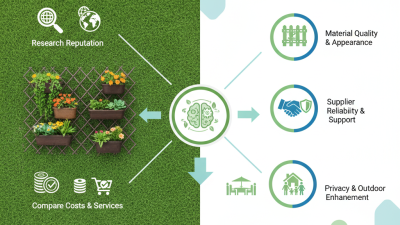
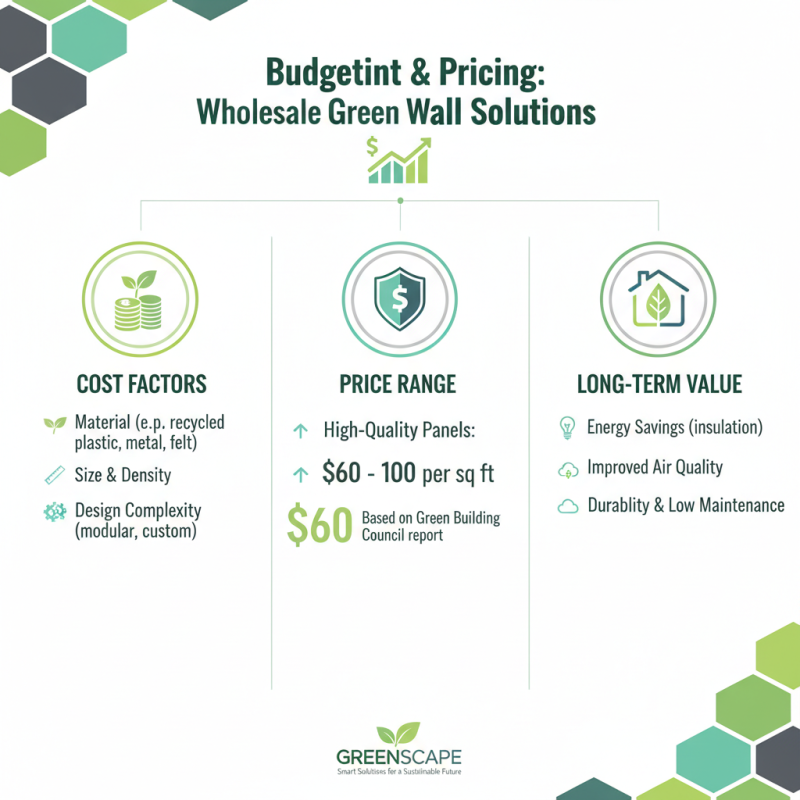
When considering wholesale vertical green wall panels, budgeting is crucial. These panels range widely in price, influenced by material, size, and design complexity. For instance, an industry report by the Green Building Council indicates that high-quality panels can cost between $60 to $100 per square foot. This reflects not only the materials used but also the long-term benefits they bring, such as energy savings and improved air quality.
Moreover, installation costs can vary. Hiring a professional may add another $20 to $50 per square foot. A DIY approach could save money but demands considerable effort and skill. It's important to compare these costs with the anticipated benefits. Some businesses may overlook the impact of maintenance costs, which can add to the overall budget. Regular upkeep, depending on the plant choice, averages around $2 to $5 per square foot annually.
Additionally, returning to the concept of initial pricing, selecting sustainable and locally sourced materials can influence costs, too. Local sourcing might reduce shipping expenses, fostering community ties. However, the trade-off could be a smaller selection. This reflection emphasizes the importance of aligning choices with your budget while considering long-term outcomes, rather than just upfront costs. Balancing these elements is key to a successful installation.