China Best Artificial Grass For Landscaping Factories Supply?
The demand for Artificial Grass For Landscaping Factories has been growing steadily over the past few years. According to a recent market report, the global artificial grass market is projected to reach USD 5.86 billion by 2025, expanding at a CAGR of 11.6%. This reflects a significant transformation in landscaping solutions, driven by innovation in manufacturing and sustainability.
In China, leading factories are enhancing production capabilities, focusing on quality and eco-friendly materials. The shift to artificial grass significantly reduces water usage—up to 70%—compared to traditional grass. However, challenges remain. Some products may not meet durability claims, leading to frustration among consumers. It’s crucial for factories to prioritize quality control and transparency.
Navigating the landscape of artificial turf means considering both aesthetic appeal and functional longevity. While consumers are drawn to vibrant, green lawns year-round, not all products deliver on these promises. Investing in reliable Artificial Grass For Landscaping Factories is essential for achieving satisfactory results. Addressing these issues will define future trends in this evolving market.
Types of Artificial Grass for Landscaping in China
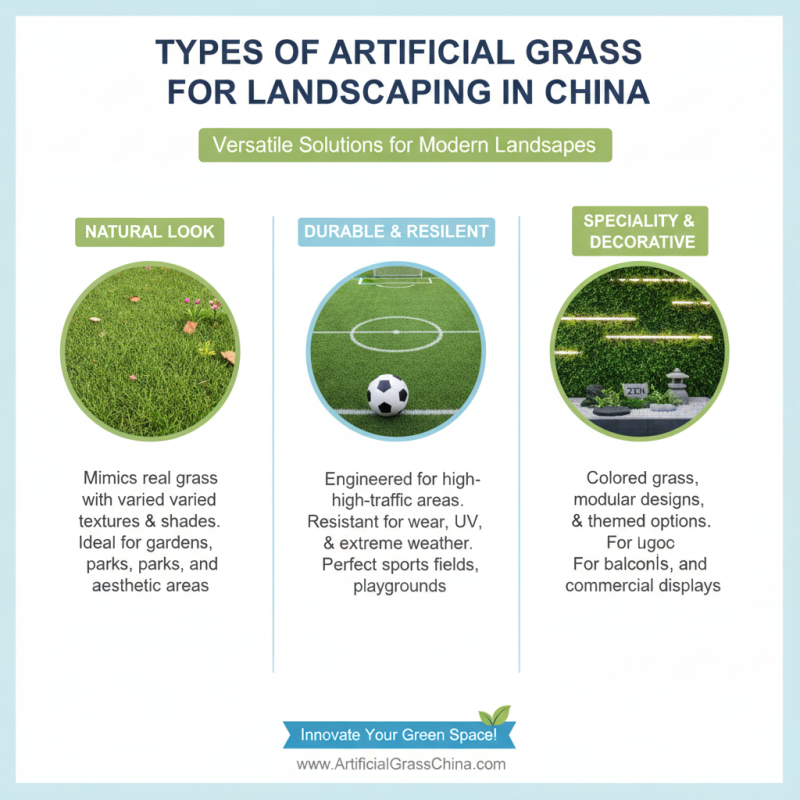
When it comes to landscaping in China, artificial grass presents a versatile solution. There are various types of artificial grass available to meet different needs. For instance, some products mimic real grass closely, boasting different textures and shades. They are perfect for gardens or public parks where aesthetics matter.
Another type is designed for durability and high foot traffic. This type is often used in sports fields and playgrounds. It can withstand heavy use without showing wear. Some manufacturers even offer options made from recycled materials, which promotes sustainability. These choices appeal to eco-conscious consumers.
It's important to consider factors like maintenance and climate. Some artificial grass requires more upkeep than others. Selecting the right type can impact the overall landscape design and function. The choices available in China reflect a growing awareness of these factors. Each option has strengths and weaknesses that need careful evaluation.
Key Features of High-Quality Artificial Grass
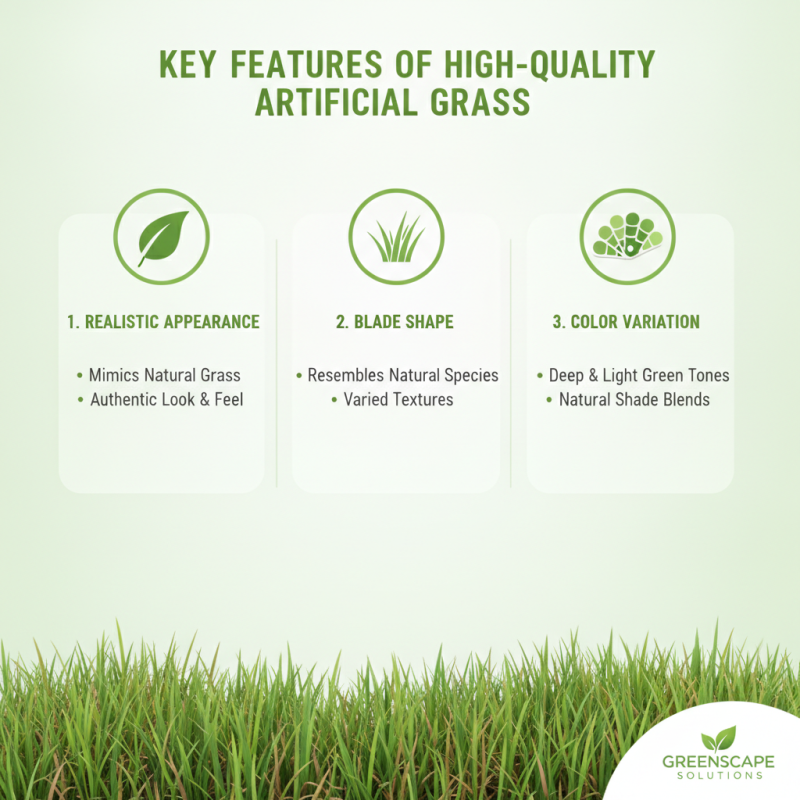
When selecting the best artificial grass for landscaping, it’s crucial to understand the key features that define high-quality options. A good product should have a realistic appearance, mimicking natural grass. Look for a blade shape that resembles different grass species. Colors should range from deep greens to lighter shades for a more authentic look.
Durability is another important factor. High-quality artificial grass can withstand various weather conditions, from intense sun to heavy rain. It should resist fading and remain intact for many years. Additionally, the softness and comfort underfoot matter, especially for residential or recreational areas.
Tips: Consider investing in UV-resistant materials. This feature helps maintain color and longevity. Also, check for a product with good drainage capabilities. Proper drainage prevents water pooling, which can lead to a soggy lawn that feels less pleasant. Assessing these features ensures you choose the right option for your landscaping needs.
Top Manufacturers of Artificial Grass in China
When searching for high-quality artificial grass, China stands out as a key player in manufacturing. Many factories in China produce a wide variety of artificial turf designed for different landscaping needs. These manufacturers often focus on durability, aesthetics, and environmental considerations. Several factories employ modern technology to ensure their products meet international standards.
While there are numerous manufacturers, not all uphold the same quality. It is essential to assess their production processes and material sourcing. Some factories may cut corners, which can lead to lower quality products. Researching customer reviews and seeking expert opinions can help in making informed decisions.
For landscapers and builders, choosing the right supplier is crucial. The best manufacturers provide consistent quality and reliable delivery. However, not all companies offer the same level of service. Some might struggle with communication or meet deadlines inconsistently. Being aware of these potential issues can guide buyers toward better choices.
China Best Artificial Grass For Landscaping Factories Supply
| Material Type |
Blade Shape |
Yarn Density (stitches/m²) |
Thickness (mm) |
Primary Use |
Color Options |
UV Resistance |
| PE |
Flat |
16,000 |
30 |
Residential Lawns |
Green, Dark Green |
Yes |
| PP |
Curled |
18,000 |
25 |
Commercial Areas |
Light Green, Olive Green |
Yes |
| Nylon |
Diamond |
20,000 |
40 |
Sports Fields |
Emerald Green, Jade Green |
Yes |
| Hybrid |
S-Mini |
15,000 |
35 |
Playgrounds |
Forest Green, Field Green |
Yes |
Factors to Consider When Choosing Artificial Grass Suppliers
When selecting artificial grass suppliers, several factors play a crucial role. Quality is paramount. Quality grass should have a realistic look and feel. Check the material used and its durability. Good suppliers provide samples to inspect. Don't overlook the backing material, as it affects drainage and longevity.
Consider the supplier's experience in the industry. An established supplier often has a proven track record. Look at customer reviews and past projects. This will give insights into their reliability. However, be wary of overly positive feedback. Sometimes, it may not reflect the true customer experience.
Pricing is also important, but it shouldn't be the only factor. Low prices can mean compromised quality. Research multiple suppliers to gauge market rates. This will help you avoid overpaying or settling for subpar products. Transparency in pricing is essential; hidden fees can lead to unpleasant surprises later.
Environmental Impact and Benefits of Artificial Grass
Artificial grass has gained popularity for landscaping due to its environmental benefits. Research indicates that using artificial turf can significantly reduce water consumption. Traditional grass lawns require about 55 gallons of water per square foot per year. In contrast, artificial grass needs no watering, helping to conserve precious water resources.
Moreover, artificial grass can reduce pesticide and chemical use. A report from the Environmental Protection Agency highlights that conventional lawns often rely on harmful chemicals for maintenance. These substances can leach into waterways and disrupt local ecosystems. Switching to artificial grass can mitigate these risks. It promotes a safer environment for pets and children who play on lawns.
However, artificial grass is not without its challenges. The production process can involve petrochemicals, raising concerns about sustainability. The lifespan of synthetic turf is around 10-15 years. Eventually, it may end up in landfills, contributing to plastic waste. As the industry evolves, innovative recycling methods are essential. This balance between convenience and environmental responsibility may require more thoughtful approaches.
Environmental Impact and Benefits of Artificial Grass